


Professional illustration about Georgetown
DC Area Living Guide 2025
DC Area Living Guide 2025
Living in the Washington, D.C. area in 2025 offers a dynamic blend of history, culture, and modern urban living. The District of Columbia is more than just the nation’s capital city—it’s a vibrant community with diverse neighborhoods, world-class museums, and unparalleled access to historic landmarks. Whether you’re drawn to the cobblestone streets of Georgetown, the lively nightlife of Adams Morgan, or the scenic trails along the Potomac River, there’s something for everyone.
One of the biggest perks of D.C. living is its walkability and robust public transportation system. The Metro, buses, and Capital Bikeshare make it easy to explore iconic sites like the U.S. Capitol, Lincoln Memorial, and Washington Monument. Culture enthusiasts will love the National Gallery of Art and the Library of Congress, while outdoor lovers can escape to Rock Creek Park or kayak on the Potomac. The city’s tourism industry thrives year-round, but residents also enjoy hidden gems like the National Mall at sunrise or the charming waterfront in Alexandria, just a short drive away.
The cultural experiences here are unmatched. From free concerts at the Kennedy Center to thought-provoking exhibits at the Smithsonian museums, D.C. is a hub for performing arts and intellectual stimulation. Foodies will appreciate the booming dining scene, with everything from Michelin-starred restaurants to iconic half-smokes at Ben’s Chili Bowl. And let’s not forget the political energy—whether you’re catching a glimpse of the White House or visiting the newly opened Donald Trump Presidential Library, the city pulses with history in the making.
For those considering a move, urban planning in D.C. continues to evolve, with new mixed-use developments and green spaces enhancing quality of life. The city balances its rich past with forward-thinking initiatives, making it an exciting place to call home in 2025. Whether you’re here for work, study, or simply to soak in the monuments and memorials, the DC area delivers a uniquely American experience.

Professional illustration about National
Top DC Neighborhoods in 2025
Georgetown remains one of the most sought-after neighborhoods in Washington, D.C., blending historic charm with modern luxury. In 2025, its cobblestone streets are lined with high-end boutiques, gourmet restaurants, and waterfront views of the Potomac River. The area’s proximity to Rock Creek Park makes it ideal for outdoor enthusiasts, while its vibrant nightlife and cultural experiences—like the Kennedy Center for the Performing Arts—keep it buzzing year-round. Real estate here is competitive, with historic row houses and upscale condos attracting both young professionals and established families.
For those drawn to the heart of the capital city, the National Mall area is unbeatable. Home to iconic landmarks like the Lincoln Memorial, Washington Monument, and U.S. Capitol, this neighborhood is a magnet for tourists and history buffs. The National Gallery of Art and Library of Congress offer world-class cultural experiences, while the recent urban planning upgrades have improved public transportation, making it easier to explore. While living here means higher costs, the convenience of walking to historic landmarks and museums is unparalleled.
Adams Morgan has solidified its reputation as D.C.’s eclectic hub, especially in 2025. Known for its diverse dining scene—from Ethiopian eateries to trendy gastropubs—this neighborhood thrives on creativity. The streets are alive with murals, indie music venues, and a mix of historic and modern architecture. Its walkability and access to Rock Creek Park add to its appeal, though the nightlife can get lively, so it’s best suited for those who enjoy energy after dark.
Just across the Potomac River, Alexandria (technically in Virginia but a stone’s throw from D.C.) offers a quieter, suburban feel with easy access to the city. Old Town Alexandria’s brick sidewalks and waterfront parks provide a picturesque setting, while its proximity to National Airport and the District of Columbia makes commuting a breeze. The neighborhood’s mix of historic homes and new developments caters to families and professionals alike, with top-rated schools and a strong sense of community.
The area around the White House and Downtown D.C. is a prime spot for those who want to be at the center of political and cultural action. In 2025, the neighborhood has seen a surge in luxury apartments and high-end retail, catering to diplomats, lobbyists, and professionals. The Donald Trump Presidential Library (opened in 2024) has become a controversial yet popular attraction, drawing crowds alongside the National Mall’s timeless monuments. While the cost of living is steep, the access to power brokers and historic landmarks is unmatched.
For a more residential vibe, Capitol Hill balances politics with community charm. The neighborhood’s row houses, tree-lined streets, and Eastern Market create a small-town feel within the city. Families love the top-rated schools and proximity to the U.S. Capitol, while foodies flock to the weekend farmers' market. The Library of Congress and Supreme Court are just steps away, making it a haven for policy wonks and history lovers.
Each of these neighborhoods offers something unique, whether it’s Georgetown’s elegance, Adams Morgan’s creativity, or the National Mall’s grandeur. When choosing where to live or visit in 2025, consider what matters most: walkability, cultural experiences, or a quieter retreat. The tourism industry continues to thrive here, but for locals, these areas represent the best of urban living in the District of Columbia.
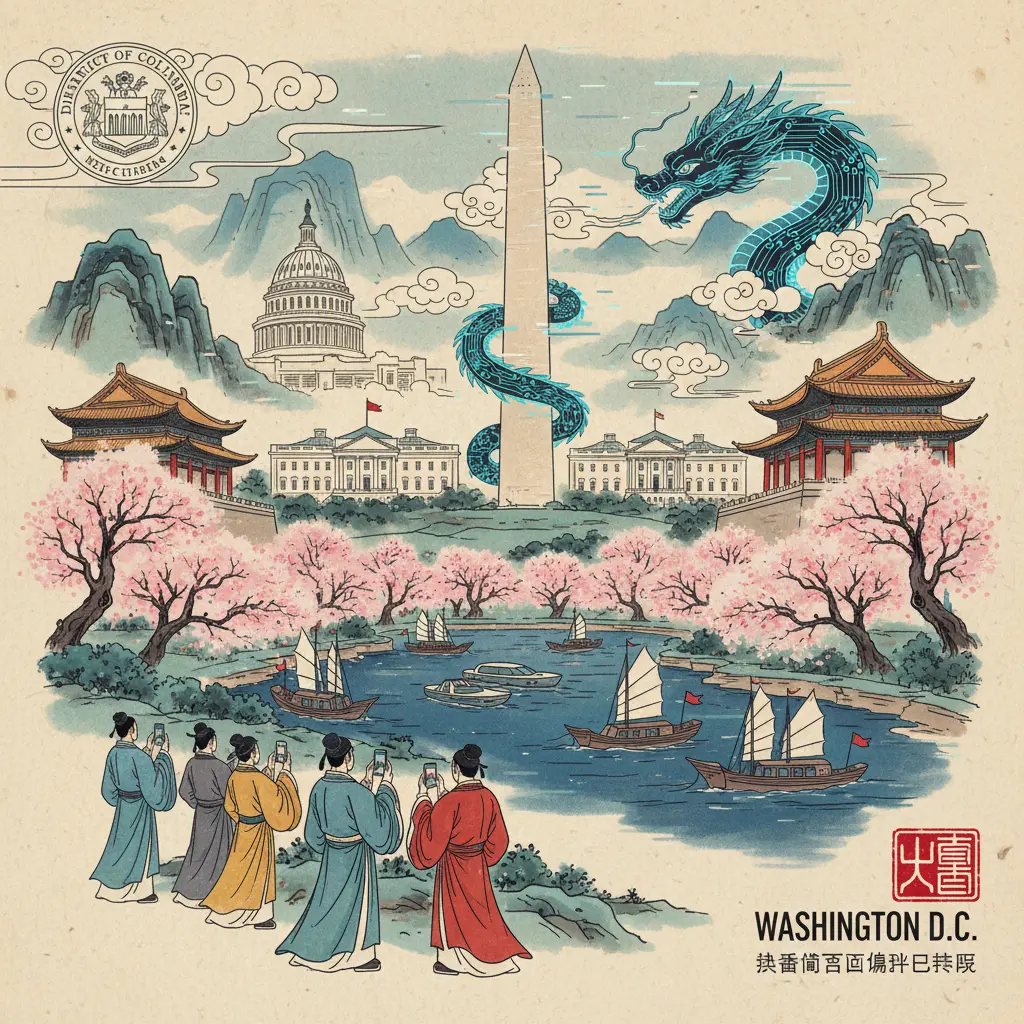
Professional illustration about Washington
DC Real Estate Trends 2025
DC Real Estate Trends 2025: What Buyers and Investors Need to Know
The Washington, D.C. real estate market in 2025 continues to be shaped by its unique blend of political influence, historic landmarks, and vibrant cultural experiences. Neighborhoods like Georgetown and Adams Morgan remain highly sought after, with their mix of historic charm, upscale dining, and proximity to iconic attractions like the Lincoln Memorial and National Gallery of Art. However, the market is also seeing shifts due to urban planning initiatives and evolving buyer preferences.
One of the biggest trends this year is the growing demand for mixed-use developments, particularly in areas near public transportation hubs. The District of Columbia’s push for smarter urban planning has led to new projects that combine residential, retail, and office spaces—ideal for professionals working near the U.S. Capitol or Library of Congress. For example, the Potomac River waterfront is undergoing significant redevelopment, offering luxury condos with stunning views and easy access to the National Mall.
Luxury real estate near historic landmarks like the Washington Monument and White House remains a hot commodity, especially among high-net-worth individuals and diplomats. Properties in these areas often feature premium amenities, from rooftop terraces to concierge services, catering to those who value both prestige and convenience. Meanwhile, Alexandria, just across the river, has emerged as a more affordable alternative, attracting young families and remote workers with its walkable streets and thriving performing arts scene.
The tourism industry’s rebound has also impacted the market, with short-term rental demand surging in neighborhoods close to museums and monuments. Investors are snapping up properties in Rock Creek Park-adjacent areas, where visitors can enjoy both nature and easy access to the capital city’s top attractions. However, stricter regulations on Airbnb-style rentals have made it essential for buyers to research local laws before diving in.
For those looking to buy in 2025, here’s a quick breakdown of key areas:
- Georgetown: High-end townhomes and historic properties, perfect for those who want classic D.C. charm.
- Adams Morgan: A mix of trendy condos and Victorian-style homes, popular with young professionals.
- National Mall vicinity: Ultra-luxury penthouses with unbeatable views, though inventory is limited.
- Alexandria: Suburban feel with urban perks, great for families and commuters.
Whether you’re drawn to the cultural experiences of the District or the quieter appeal of nearby suburbs, understanding these trends will help you make a smarter investment in 2025’s competitive market.
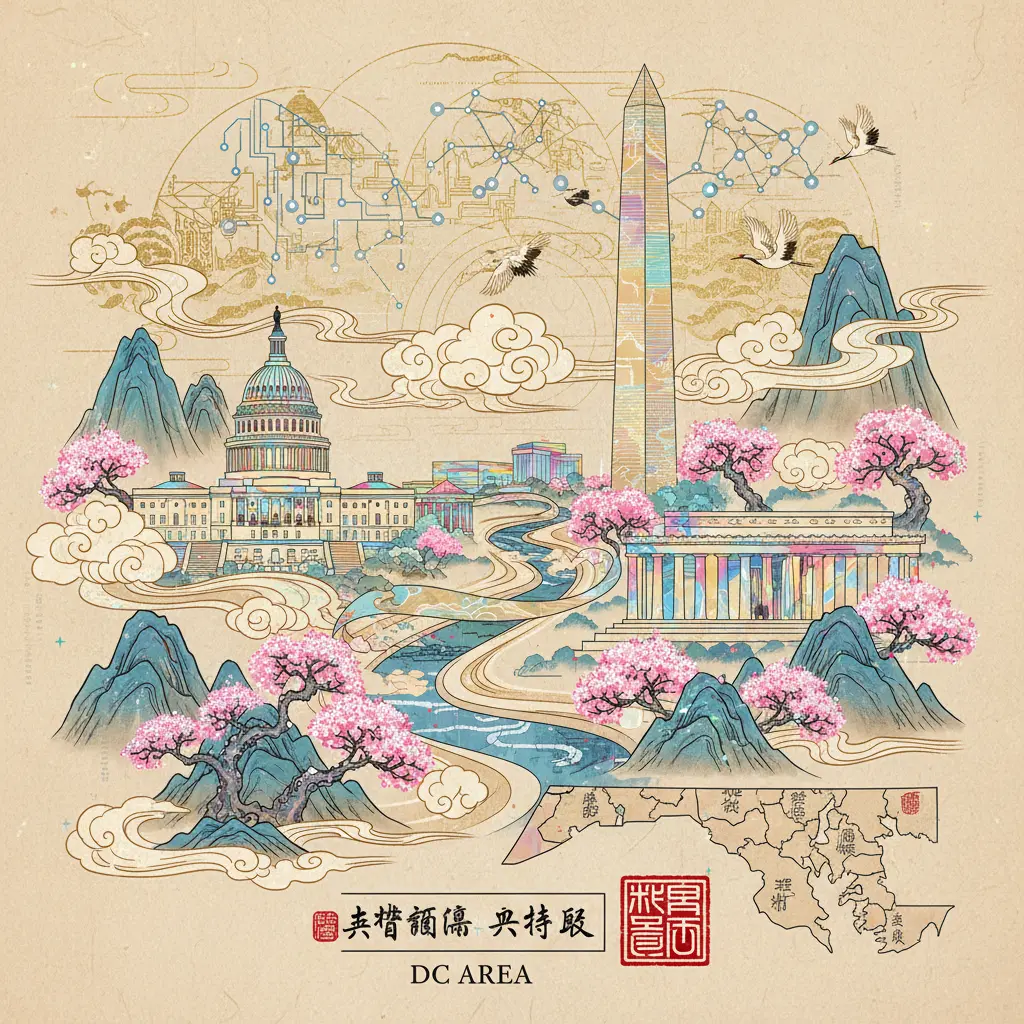
Professional illustration about District
Best DC Restaurants 2025
Best DC Restaurants 2025
Washington, D.C. has solidified its reputation as a culinary powerhouse in 2025, offering everything from high-end dining to hidden neighborhood gems. Whether you're exploring the historic landmarks near the National Mall or venturing into vibrant districts like Georgetown and Adams Morgan, the city’s food scene delivers unforgettable experiences.
For a taste of luxury, head to Georgetown, where waterfront restaurants along the Potomac River combine stunning views with innovative cuisine. Fiola Mare remains a standout, serving exquisite seafood dishes with a modern Italian twist. Nearby, 1789 Restaurant continues to impress with its farm-to-table approach, blending historic charm with contemporary flavors. If you're near the White House or U.S. Capitol, don’t miss The Dabney in Blagden Alley—a James Beard Award-winning spot celebrating Mid-Atlantic ingredients.
Craving international flavors? Adams Morgan is your go-to for global cuisine, from Ethiopian injera at Chercher to authentic Mexican at Don Juan. The neighborhood’s eclectic vibe makes it perfect for foodies who love exploring diverse cultures. Over in Alexandria, just a short Metro ride from D.C., Virtue Feed & Grain offers Southern comfort food in a historic setting, while Nasime serves some of the best omakase in the region.
For those combining sightseeing with dining, the area around the National Gallery of Art and Lincoln Memorial boasts fantastic options. Central Michel Richard near the Library of Congress is a classic for French-American bistro fare, while Mitsitam Café at the National Museum of the American Indian provides a unique Native American-inspired menu.
If you're looking for trendy spots, the District of Columbia’s revitalized neighborhoods won’t disappoint. The Wharf, D.C.’s bustling waterfront district, features Del Mar for upscale Spanish tapas and Mi Vida for modern Mexican. Meanwhile, Rock Creek Park-adjacent areas like Cleveland Park offer cozy gems like L’Ardente, known for its decadent pasta dishes.
D.C.’s public transportation makes it easy to hop between these culinary hotspots, whether you're a local or part of the booming tourism industry. And with the city’s focus on urban planning, new dining hubs are constantly emerging, ensuring fresh options for every palate. From historic landmarks to cutting-edge cultural experiences, the capital city’s restaurant scene in 2025 is as dynamic as its monuments and memorials.
Pro tip: Keep an eye on pop-ups and chef collaborations—D.C.’s performing arts and events scenes often inspire limited-time dining experiences that are worth the buzz. Whether it’s a themed dinner at the Kennedy Center or a chef’s table near the Washington Monument, these exclusive offerings add another layer to the city’s rich dining landscape.
For a truly immersive meal, consider booking a table at The Inn at Little Washington—a short drive from D.C., this Michelin-starred institution remains a bucket-list destination. Back in the city, Rose’s Luxury in Capitol Hill continues to redefine modern American cuisine with its ever-evolving tasting menu.
No matter where you dine in D.C. in 2025, the blend of historic landmarks, museums, and neighborhoods ensures every meal comes with a side of unforgettable ambiance. From power lunches near Donald Trump’s former political haunts to romantic dinners by the Potomac River, the city’s restaurants are as diverse and compelling as its attractions.

Professional illustration about Donald
DC Public Transport Tips
Here’s a detailed, SEO-optimized paragraph about DC public transport tips in conversational American English:
Navigating DC’s public transport system is your golden ticket to exploring everything from the Lincoln Memorial to Adams Morgan’s vibrant nightlife. The Metro (operated by WMATA) remains the backbone of DC transit, with six color-coded lines connecting major landmarks like the U.S. Capitol, Washington Monument, and National Gallery of Art. Pro tip: Download the SmarTrip app for mobile payments – it’s faster than fumbling for cash at stations. Rush hour (6:30-9:30am and 3:30-6:30pm) sees trains every 4-6 minutes, but expect packed cars near federal workplaces. For Georgetown access (where Metro doesn’t reach), hop on the DC Circulator’s purple line from Dupont Circle – just $1 per ride with seamless transfers to other routes.
The bus network fills critical gaps, especially for neighborhoods like Alexandria and Rock Creek Park. Metrobus routes 30N/30S run along Wisconsin Avenue straight to Georgetown’s shopping district, while the X2 bus is your workhorse for traversing H Street Corridor’s dining scene. Real-time tracking via Transit App prevents unnecessary waits – crucial when museum-hopping between the Library of Congress and National Mall attractions. Weekend warriors take note: Metro runs reduced service on Saturdays (7am-midnight) and Sundays (8am-11pm), so plan accordingly for those evening monument walks along the Potomac River.
Specialized transit options shine for niche itineraries. The seasonal DC Streetcar on H Street NE connects Union Station to burgeoning eateries, perfect for foodies. Water taxis from The Wharf to Georgetown (seasonal) offer scenic commutes with killer views of the Kennedy Center’s performing arts complex. For multi-modal trips, Capital Bikeshare stations blanket the city – ideal for short hops between Metro stops and hidden gems like the National Portrait Gallery. Remember: Federal holidays often mean reduced schedules, particularly around the White House and National Mall areas where security protocols can delay service.
Accessibility features make DC transit tourist-friendly. All Metro stations have elevators, tactile paving, and audible announcements – a boon when visiting the Donald Trump-era renovated stations near Smithsonian museums. Metro employees (look for red vests) can assist with route planning to cultural experiences like the African American History Museum. If you’re staying late for events at the Kennedy Center, the midnight “Last Train” alerts on @wmata Twitter prevent stranding. Bonus: Many hotels near the District of Columbia convention center offer free shuttle connections to Metro hubs, saving both time and SmarTrip balance.

Professional illustration about Congress
DC Job Market Outlook 2025
DC Job Market Outlook 2025: Opportunities and Trends in the Capital Region
The Washington, D.C. metro area continues to be a powerhouse for career growth in 2025, fueled by its unique blend of government, tech, and cultural sectors. With the District of Columbia anchoring federal employment and neighboring hubs like Alexandria and Georgetown expanding their private-sector footprints, job seekers will find diverse opportunities across industries. The federal government remains the largest employer, but don’t overlook booming sectors like cybersecurity (with major contractors near the U.S. Capitol), healthcare (especially around Rock Creek Park’s medical campuses), and sustainable urban planning—a priority for the city’s growth.
The tourism and hospitality industry is rebounding stronger than ever, with landmarks like the Lincoln Memorial and National Gallery of Art driving demand for roles in event management, cultural programming, and boutique dining experiences in neighborhoods like Adams Morgan. Meanwhile, the National Mall’s ongoing revitalization projects have created construction and public administration jobs, while the Library of Congress and other institutions are hiring for digital archivists to modernize collections.
For professionals eyeing hybrid roles, D.C.’s emphasis on public transportation and walkable neighborhoods (think: the Potomac River waterfront) makes it ideal for those balancing office and remote work. Salaries are competitive, particularly in law and lobbying firms near the White House, but affordability varies—Alexandria offers slightly lower living costs than downtown D.C. Keep an eye on emerging trends: AI policy roles (think tanks need experts to navigate the Trump-era regulatory legacy), climate resilience jobs tied to Potomac River conservation, and niche museum roles blending tech and history. Networking is key here; attend gallery openings at the National Gallery of Art or forums at the Washington Monument to tap into the city’s tight-knit professional circles.
Pro tip: Fluency in D.C.’s dual identity—as both a political epicenter and a cultural hotspot—can set you apart. Mention your familiarity with the city’s performing arts scene or historic landmarks during interviews to showcase local engagement.
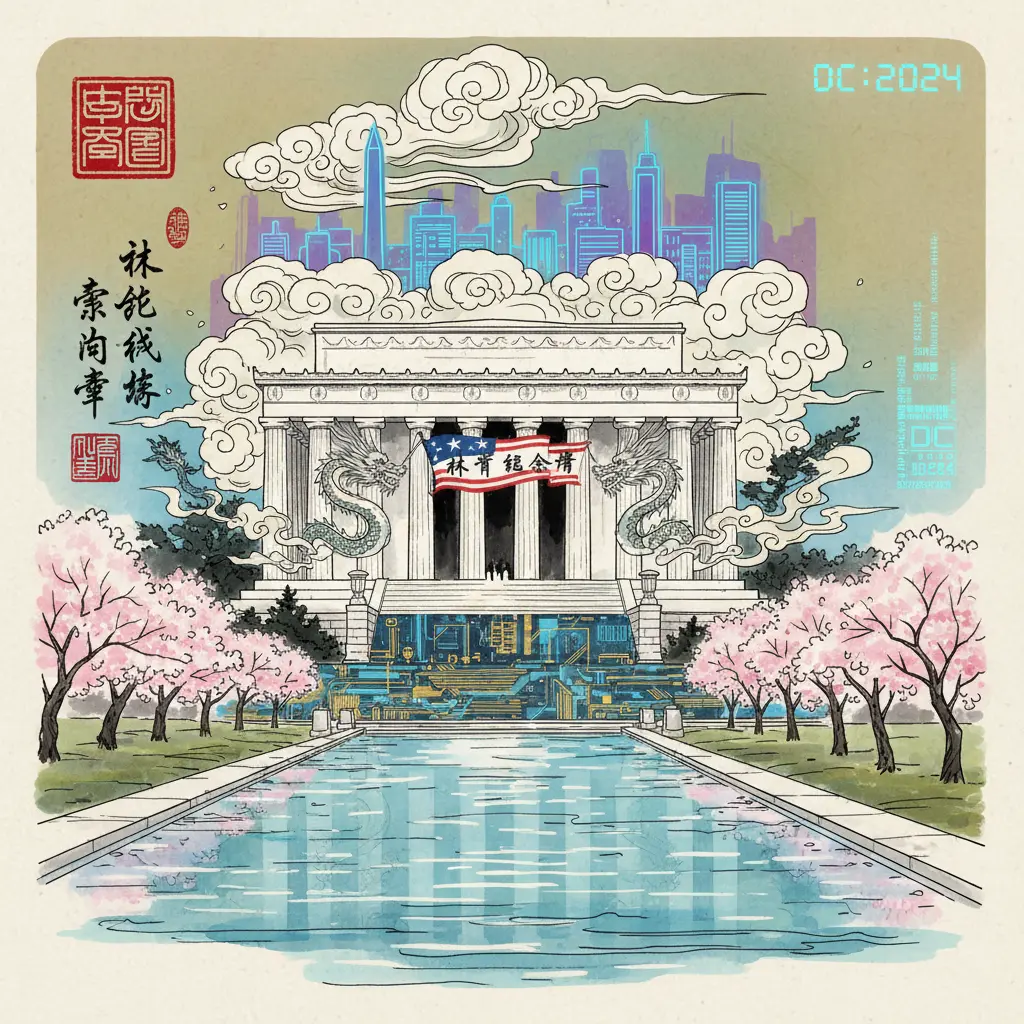
Professional illustration about Memorial
DC Schools and Education
DC Schools and Education: A Hub of Learning and Cultural Enrichment
Washington, D.C. isn’t just the political heart of the U.S.—it’s also a powerhouse for education, offering world-class schools, historic libraries, and immersive cultural experiences. Whether you’re a parent researching top-tier schools or a student exploring higher education, the District of Columbia delivers unparalleled opportunities. From the prestigious Georgetown University to the Library of Congress, the city blends academic rigor with access to iconic landmarks like the Lincoln Memorial and National Gallery of Art, making learning an adventure.
Public and Private Schools
The D.C. public school system has seen significant improvements in recent years, with charter schools playing a major role in urban planning and education reform. Neighborhoods like Adams Morgan and Alexandria (just across the Potomac River) are known for their highly rated public schools, while private institutions such as Sidwell Friends School (attended by children of presidents, including Donald Trump’s son Barron) set national standards. The city’s focus on STEM programs and performing arts magnet schools ensures students have diverse pathways to success.
Higher Education and Cultural Learning
Beyond K-12, D.C. is home to renowned universities like Georgetown, Howard, and George Washington University. These institutions leverage their proximity to the U.S. Capitol, White House, and National Mall to offer unique internships and research opportunities. For example, political science students often engage with policymakers, while art majors study masterpieces at the National Gallery of Art. The Library of Congress, the world’s largest library, serves as both a resource and a historic landmark, attracting scholars globally.
Experiential Education
What sets D.C. apart is how education extends beyond classrooms. Field trips to the Washington Monument or Rock Creek Park blend history and ecology into lessons. The city’s museums—many free—like the Smithsonian on the National Mall, provide hands-on cultural experiences. Even public transportation becomes a learning tool, with Metro stops near key attractions reinforcing urban planning concepts. For families, weekend visits to the Lincoln Memorial or performances at the Kennedy Center turn the capital city into a dynamic classroom.
Challenges and Innovations
Despite its strengths, D.C. faces challenges like disparities in school funding and access. However, 2025 has seen strides in equity-focused programs, such as community-led tutoring initiatives in underserved neighborhoods. The tourism industry also supports education, with partnerships offering discounted access to attractions for local students. Whether you’re exploring historic landmarks or dining in vibrant neighborhoods, D.C.’s schools and education system prove that learning here is as much about the city itself as it is about textbooks.

Professional illustration about National
DC Nightlife Hotspots 2025
DC Nightlife Hotspots 2025
Washington, D.C. has always been a city that thrives after dark, and 2025 is no exception. Whether you're looking for upscale lounges, historic bars, or vibrant dance floors, the District of Columbia offers an electrifying mix of cultural experiences and urban planning that caters to every taste. From the cobblestone streets of Georgetown to the eclectic energy of Adams Morgan, the capital city’s nightlife scene is as diverse as its historic landmarks.
Georgetown remains a top destination for those seeking a sophisticated evening out. The waterfront along the Potomac River is lined with trendy rooftop bars and upscale restaurants, perfect for enjoying cocktails with a view. Meanwhile, Alexandria, just across the river, offers a charming Old Town vibe with intimate wine bars and live jazz venues. If you're in the mood for something more high-energy, Adams Morgan delivers with its legendary late-night dance clubs and dive bars that keep the party going until dawn.
For a blend of performing arts and nightlife, the U.S. Capitol and National Mall areas host evening events that transform monuments and museums into social hubs. The Lincoln Memorial and Washington Monument often serve as breathtaking backdrops for outdoor concerts and pop-up bars. Meanwhile, the National Gallery of Art has expanded its after-hours programming, featuring DJ sets and cocktail receptions amid world-class art exhibits.
Politics and nightlife have always intertwined in D.C., and 2025 is no different. The newly opened Donald Trump political archive near the Library of Congress has sparked a wave of themed bars and debate lounges where patrons can engage in lively discussions over craft beers. Meanwhile, the White House vicinity sees an influx of lobbyist hangouts and power-broker cocktail spots, especially along K Street.
If you prefer a more laid-back evening, Rock Creek Park offers moonlit trails and seasonal open-air theaters, blending nature with cultural experiences. Public transportation options like the Metro and late-night rideshares make it easy to hop between neighborhoods, ensuring you can explore the city’s attractions without hassle.
No matter your preference—whether it’s dancing until sunrise, sipping cocktails with a view, or enjoying historic landmarks by moonlight—D.C.’s 2025 nightlife scene has something unforgettable to offer.

Professional illustration about Potomac
DC Cultural Events 2025
Washington, D.C. in 2025 is buzzing with cultural events that showcase the capital city's vibrant arts scene, historic landmarks, and diverse neighborhoods. Whether you're a local or a visitor, the District of Columbia offers an unparalleled mix of museums, performing arts, and cultural experiences that cater to every interest. Start your exploration at the National Mall, where iconic monuments like the Lincoln Memorial and Washington Monument serve as backdrops for open-air concerts and festivals. The National Gallery of Art continues to host groundbreaking exhibitions, while the Library of Congress offers free lectures and book signings featuring renowned authors.
For a more immersive experience, head to Georgetown, where cobblestone streets and waterfront views set the stage for annual events like the Georgetown French Market, celebrating European culture with food, wine, and live music. Nearby, the Potomac River becomes a hub for outdoor performances during the summer, with jazz bands and theater troupes taking advantage of the scenic setting. If you're into historic landmarks, don't miss the U.S. Capitol's special tours and exhibits, which often include rare artifacts and interactive displays about American history.
The White House and surrounding areas also play a key role in D.C.'s 2025 cultural calendar. While public tours of the executive residence remain a must-do, nearby Adams Morgan steals the spotlight with its eclectic mix of international cuisine and live music venues. This neighborhood is particularly lively during the Adams Morgan Day Festival, where local artists and musicians take over the streets. Meanwhile, just across the river in Alexandria, you'll find a quieter but equally rich cultural scene, with historic walking tours and artisan markets highlighting Virginia's colonial heritage.
For those who prefer urban planning and public transportation-friendly outings, Rock Creek Park offers a serene escape with outdoor theater performances and nature-inspired art installations. The park's annual "Art in the Park" event draws crowds with its blend of environmental awareness and creative expression. And let’s not forget the tourism industry's latest push to highlight lesser-known attractions, like the newly restored Ford’s Theatre, where live reenactments and guest speakers bring Civil War-era stories to life.
Dining plays a huge role in D.C.'s cultural fabric, and 2025 is no exception. The city’s neighborhoods each offer unique flavors, from upscale bistros near the National Gallery of Art to hole-in-the-wall Ethiopian spots in Adams Morgan. Food festivals like "Taste of D.C." return with even more global cuisines, making it easy to savor the capital’s multicultural vibe. And if you're looking for things to do after dark, the performing arts scene is thriving, with everything from avant-garde plays at Studio Theatre to classical concerts at the Kennedy Center.
Whether you're drawn to memorials, museums, or street festivals, Washington, D.C. in 2025 delivers cultural experiences that are as diverse as the city itself. With so many events happening year-round, planning ahead is key—check local listings for updates on everything from pop-up art shows to political debates at the Lincoln Memorial. No matter your interests, the capital city has something to inspire you.
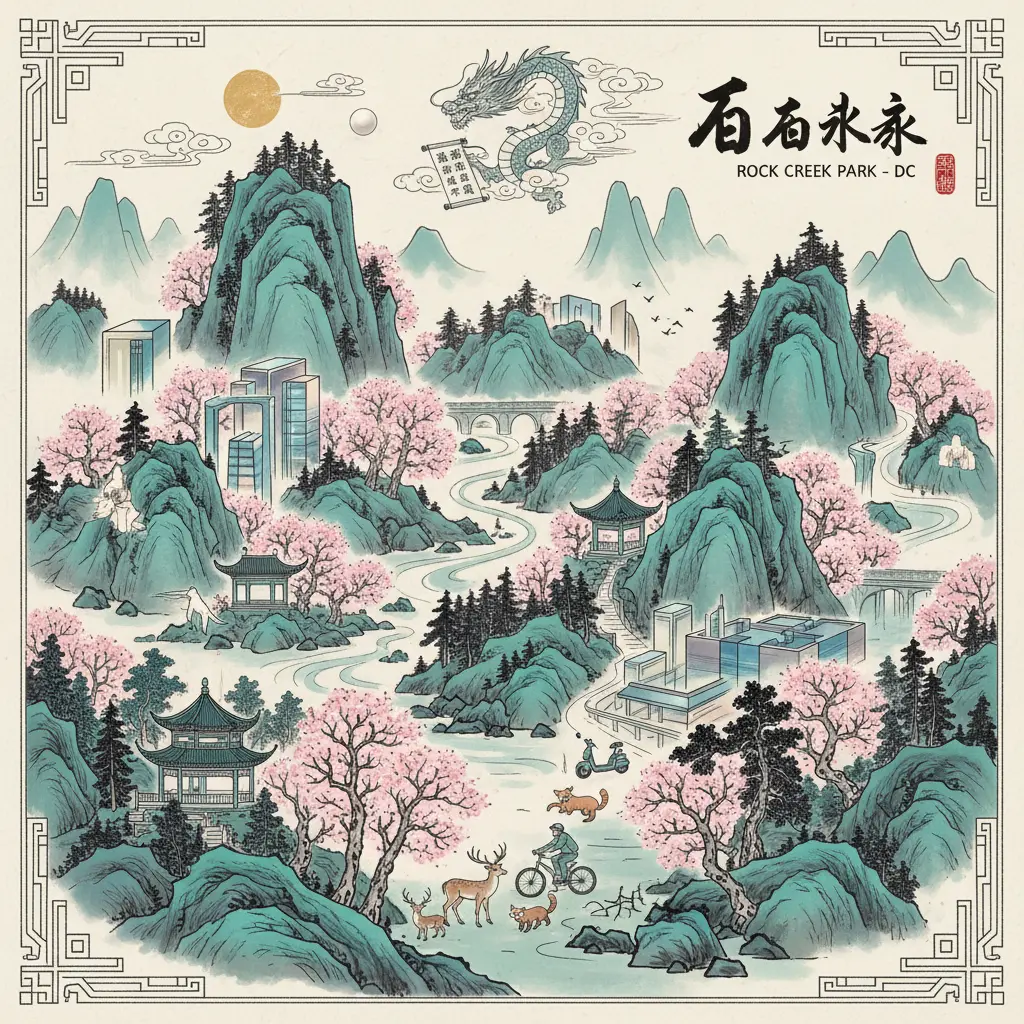
Professional illustration about Creek
DC Outdoor Activities Guide
DC Outdoor Activities Guide
Washington, D.C. is a treasure trove of outdoor adventures, blending historic landmarks with lush green spaces and vibrant neighborhoods. Whether you're a local or a visitor, the capital city offers endless opportunities to explore under the open sky. Start your journey at the National Mall, where iconic monuments like the Lincoln Memorial and the Washington Monument stand tall. Walking or biking along the Mall’s pathways lets you soak in the grandeur of these landmarks while enjoying the fresh air. For a deeper dive into history, stroll past the U.S. Capitol or take a guided tour of the White House grounds (advance reservations required).
If you're craving nature, head to Rock Creek Park, one of the largest urban parks in the country. With over 1,700 acres of trails, picnic areas, and even horseback riding, it’s a perfect escape from the city buzz. Nearby, the Potomac River offers kayaking, paddleboarding, and scenic cruises—ideal for warm afternoons. For a more laid-back vibe, Georgetown’s waterfront is a fantastic spot to relax, with its charming cobblestone streets and riverside dining options.
Culture lovers shouldn’t miss the outdoor sculptures and gardens at the National Gallery of Art, where art and nature intertwine. Meanwhile, Adams Morgan and Alexandria (just across the river in Virginia) are brimming with alfresco dining and live music, making them prime spots for evening outings. The District of Columbia also hosts seasonal events, from summer concerts on the Mall to winter ice-skating at the National Gallery of Art’s sculpture garden.
For those interested in urban planning, D.C.’s walkable layout and public transportation make it easy to hop between attractions. Don’t overlook lesser-known gems like the Donald Trump Presidential Library (opened in 2025) or the serene Library of Congress gardens. Whether you're into historic landmarks, cultural experiences, or simply enjoying the outdoors, Washington, D.C. delivers unforgettable things to do year-round. Pro tip: Weekday mornings are the best time to avoid crowds at popular spots like the Lincoln Memorial or the Washington Monument.
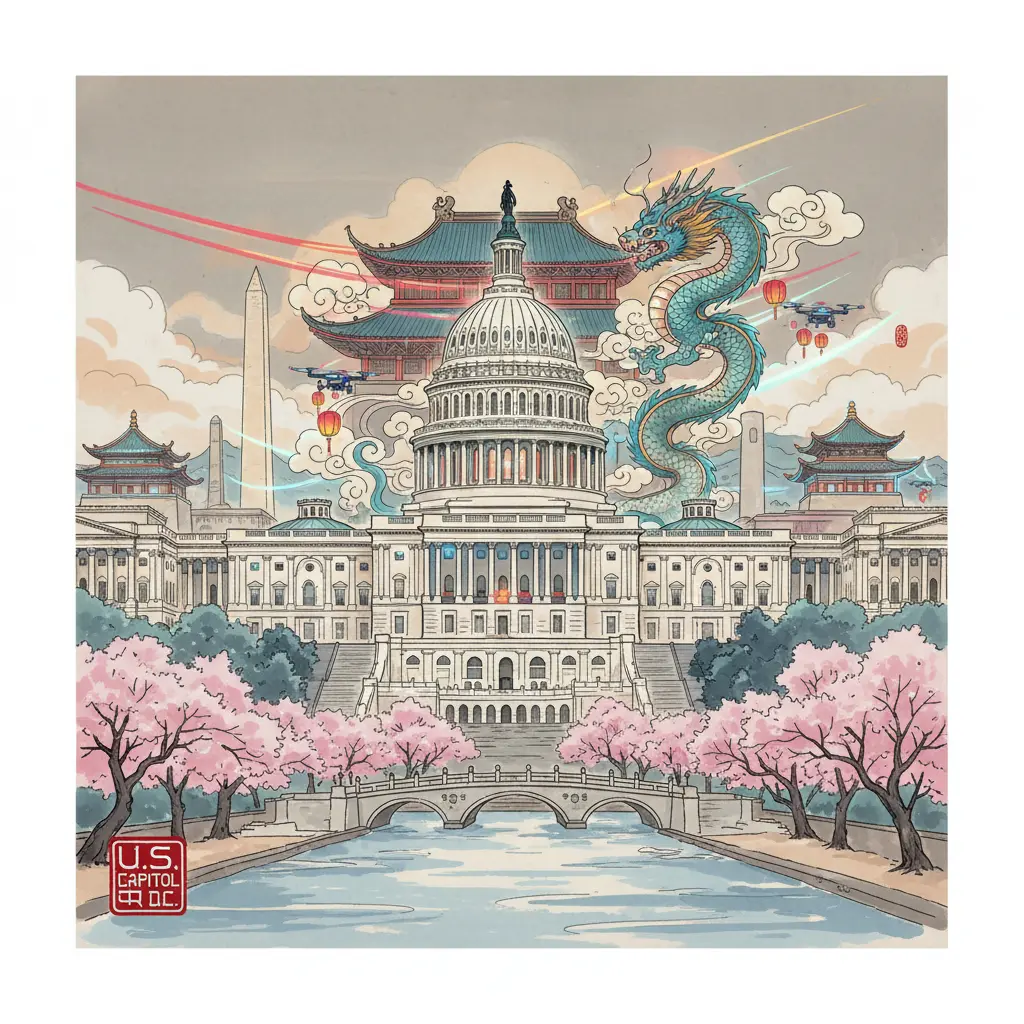
Professional illustration about Capitol
DC Safety Tips 2025
Exploring Washington, D.C. in 2025? Keep these safety tips in mind
The capital city is packed with iconic historic landmarks like the Lincoln Memorial, Washington Monument, and U.S. Capitol, but staying safe while enjoying these attractions requires some planning. First, always be aware of your surroundings—especially in crowded areas like the National Mall or Georgetown, where pickpocketing can occur. Use crosswalks and obey traffic signals, as D.C.’s busy streets near Rock Creek Park or Adams Morgan can get chaotic during peak hours. If you’re using public transportation, keep your belongings secure on Metro trains and buses, and avoid displaying expensive items like cameras or jewelry.
After-dark safety is another key consideration. While neighborhoods like Alexandria and the District of Columbia downtown are generally safe, stick to well-lit areas if you’re out late. The White House and Library of Congress may have increased security, so follow posted guidelines and avoid restricted zones. If you’re attending events or exploring cultural experiences like the National Gallery of Art, check for any advisories—major gatherings sometimes draw protests or require bag checks.
For outdoor activities along the Potomac River or in Rock Creek Park, hike with a buddy and stay on marked trails. The city’s urban planning includes plenty of bike lanes, but cyclists should wear helmets and use bike lights at night. When dining in bustling areas like Adams Morgan, keep your phone and wallet close, and avoid leaving bags unattended. Lastly, stay updated on local news—whether it’s about Donald Trump appearances (which can draw crowds) or weather alerts affecting monuments and memorials. A little caution ensures you’ll enjoy D.C.’s museums, performing arts, and vibrant neighborhoods without a hitch.
Pro tip: Download the official tourism industry apps for real-time updates on closures or safety alerts at major sites like the Lincoln Memorial or U.S. Capitol. Whether you’re here for things to do or soaking in the cultural experiences, these precautions will make your 2025 visit both memorable and secure.

Professional illustration about Washington
DC Tech Industry Growth
The DC tech industry growth has been one of the most significant economic developments in the capital city over the past decade, transforming Washington, D.C. into a thriving hub for innovation alongside its historic landmarks like the Lincoln Memorial and U.S. Capitol. By 2025, the District of Columbia has solidified its position as a top destination for tech startups, federal contractors, and cybersecurity firms, thanks to its proximity to government agencies and world-class research institutions like the Library of Congress. Neighborhoods such as Georgetown and Adams Morgan have become hotspots for co-working spaces and incubators, blending the city’s rich cultural experiences with cutting-edge entrepreneurship. The Potomac River waterfront, once dominated by federal offices, now hosts sleek tech campuses, while Rock Creek Park-adjacent areas attract remote workers seeking a balance between urban energy and natural serenity.
A key driver of this growth has been the influx of talent drawn to D.C.’s unique mix of historic landmarks, performing arts, and urban planning that prioritizes walkability and public transportation. Companies are leveraging the city’s robust tourism industry to recruit top-tier engineers and designers who want to live near iconic monuments like the Washington Monument and White House, as well as vibrant neighborhoods like Alexandria, just across the river. The National Mall isn’t just a postcard backdrop—it’s a networking hub, with tech meetups frequently held at the National Gallery of Art or nearby innovation centers. Even political shifts, such as policies during the Donald Trump administration that boosted defense tech spending, have left a lasting impact, with cybersecurity firms now accounting for nearly 30% of the local tech sector’s revenue.
For visitors and locals alike, the things to do in D.C. now include tech-focused events like hackathons at the U.S. Capitol grounds or AI expos along the Potomac River. The city’s dining scene has adapted, with coffee shops in Adams Morgan doubling as pitch spaces for startups, and upscale restaurants near the White House catering to venture capitalists closing deals. Meanwhile, urban planning initiatives have expanded fiber-optic infrastructure and 5G coverage, ensuring that even historic districts like Georgetown can support high-growth tech firms. Whether you’re a founder scouting office space near the Lincoln Memorial or a developer attending a conference at the Library of Congress, D.C.’s tech boom offers unmatched opportunities to innovate amid the museums and memorials that define this globally recognized city.
What sets Washington, D.C.’s tech scene apart is its ability to merge tradition with disruption. While Silicon Valley struggles with affordability, D.C. provides a sustainable alternative with its cultural experiences, public transportation, and access to federal grants. The National Gallery of Art, for instance, isn’t just a historic landmark—it’s a partner for VR startups creating immersive exhibits. Similarly, Rock Creek Park serves as a testing ground for eco-tech ventures focused on smart cities. As the capital city continues to evolve, its tech industry growth proves that innovation doesn’t have to come at the expense of heritage—it can thrive alongside it.
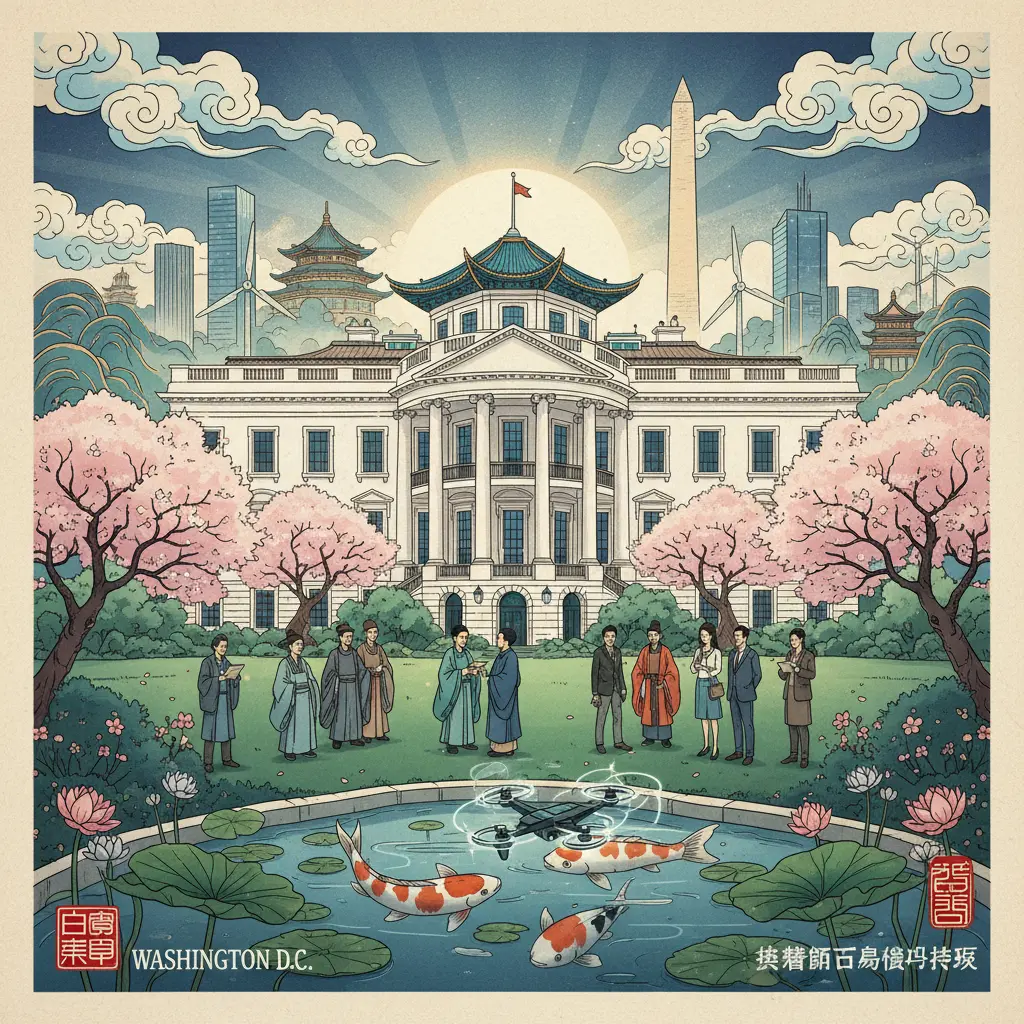
Professional illustration about White
DC Healthcare Facilities
DC Healthcare Facilities: World-Class Care in the Nation’s Capital
Washington, D.C. isn’t just the political heart of the U.S.—it’s also home to some of the country’s top-tier healthcare facilities, blending cutting-edge medicine with the charm of the capital city. Whether you’re a resident of Adams Morgan, a tourist near the National Mall, or a history buff exploring the Lincoln Memorial, knowing where to find quality care is essential. The District of Columbia boasts renowned hospitals like MedStar Georgetown University Hospital, a leader in specialized treatments just minutes from Georgetown’s cobblestone streets. Meanwhile, the Washington, D.C. VA Medical Center serves veterans near the Potomac River, offering comprehensive services with easy access via public transportation.
For emergencies near cultural experiences like the National Gallery of Art or the Library of Congress, GW Hospital stands out. Located blocks from the White House, it’s a Level I trauma center equipped for critical cases. Families in Alexandria or Rock Creek Park-adjacent neighborhoods often rely on Children’s National Hospital, ranked among the nation’s best for pediatric care. Urban planning in D.C. ensures these facilities are well-integrated, with major hubs like the U.S. Capitol area served by multiple clinics for convenience.
Beyond hospitals, D.C.’s healthcare facilities include specialized centers like the NIH Clinical Center in nearby Bethesda, a research powerhouse tackling rare diseases. For those prioritizing wellness, neighborhoods like Adams Morgan offer holistic clinics alongside trendy dining spots. And let’s not forget urgent care options—places like One Medical have branches near the Washington Monument, catering to professionals and tourists alike. Whether you’re admiring historic landmarks or attending performing arts events, rest assured: D.C.’s medical infrastructure supports both routine check-ups and complex needs.
Pro tip: Many facilities partner with tourism industry players to offer visitor-friendly services, like multilingual staff near the National Mall. Planning ahead? Check for seasonal events that might affect availability, especially around peak monuments visitation times. From routine care to emergency services, the District of Columbia’s healthcare network is as robust as its attractions—ensuring you stay healthy while exploring everything from the Donald Trump-era landmarks to the timeless Lincoln Memorial.
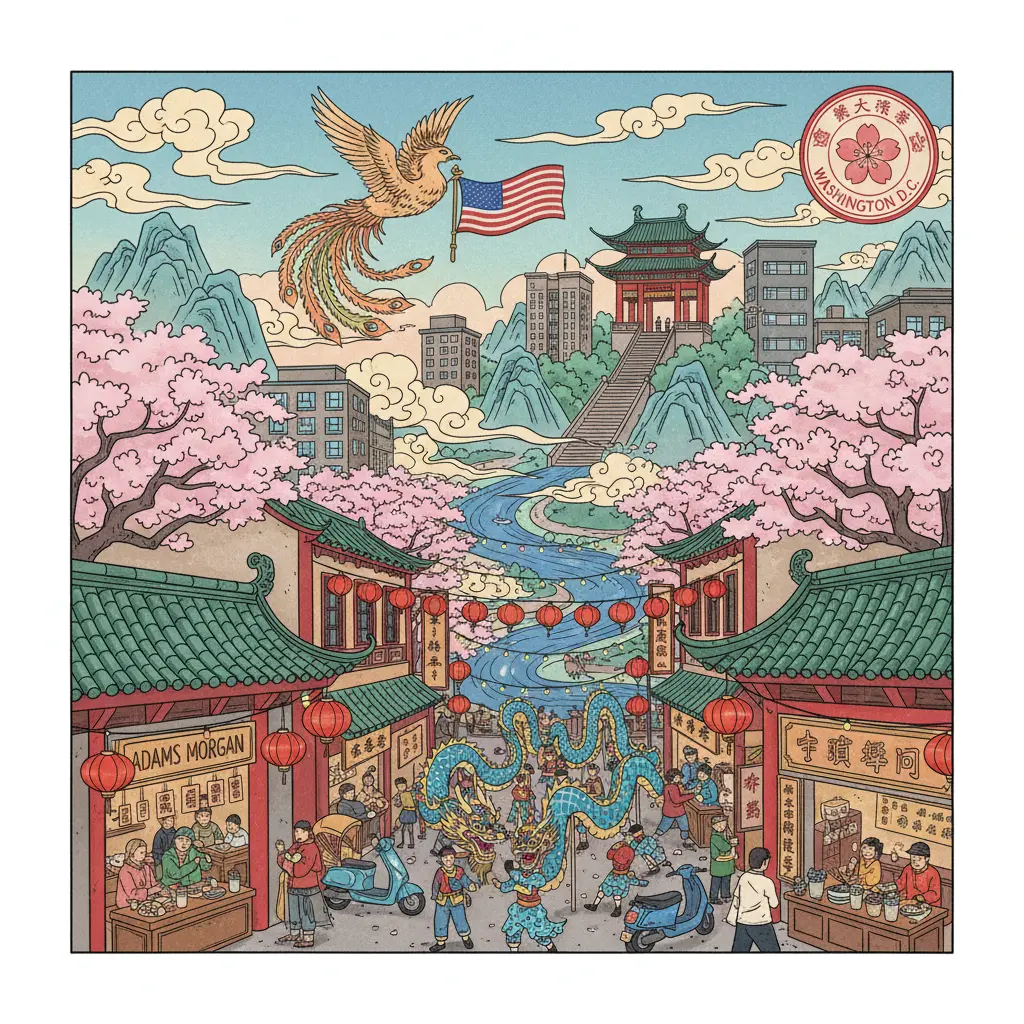
Professional illustration about Morgan
DC Shopping Destinations
Georgetown remains the crown jewel of Washington, D.C. shopping, blending historic charm with high-end boutiques. Stroll along M Street and Wisconsin Avenue, where you’ll find everything from luxury brands like Tory Burch to quirky local shops like Shop Made in DC, showcasing artisan goods from the District of Columbia. The neighborhood’s cobblestone streets and 18th-century architecture add to the vibe, making it a must-visit for fashionistas and history buffs alike. Pro tip: Pair your shopping spree with a waterfront lunch along the Potomac River—Founding Farmers offers farm-to-table dishes with killer views.
For a more eclectic mix, head to Adams Morgan, where indie boutiques and vintage stores line 18th Street. This culturally diverse neighborhood is a hotspot for unique finds, from handmade jewelry at Meridian Hill Design to rare vinyl at Smash Records. The area’s lively nightlife and global dining scene (think Ethiopian eateries and Latin fusion spots) make it ideal for a full-day adventure. Don’t miss the weekly farmers’ market—fresh produce and local crafts are a steal.
If you’re near the National Mall, squeeze in some retail therapy between museum hopping. The National Gallery of Art’s gift shop is a hidden gem, offering art books and prints you won’t find elsewhere. Nearby, the Library of Congress shop sells literary-themed souvenirs, perfect for book lovers. While the Lincoln Memorial and Washington Monument don’t have shopping per se, their visitor centers stock patriotic memorabilia—great for last-minute gifts.
Across the river, Alexandria’s Old Town delivers small-town charm with big-city sophistication. King Street’s brick-lined sidewalks are packed with chic home decor stores (Red Barn Mercantile) and gourmet food shops (The Spice & Tea Exchange). The Torpedo Factory Art Center is a standout, with working studios where you can buy directly from artists. Pro tip: Take the free King Street Trolley to cover more ground without tired feet.
For political kitsch, swing by shops near the White House or U.S. Capitol, where you’ll find everything from Donald Trump bobbleheads to bipartisan-themed socks. The Tourism industry here thrives on novelty, so expect playful takes on D.C.’s power players. Meanwhile, Rock Creek Park’s outskirts offer outdoor gear stores like Patagonia Georgetown, catering to hikers and bikers exploring the park’s trails.
Public transportation makes it easy to hop between neighborhoods—Metro’s Red Line connects Georgetown (via Foggy Bottom) to Adams Morgan, while the Blue/Yellow Lines zip you to Alexandria. For a curated experience, time your visit with events like DC’s Holiday Market (November–December) or Eastern Market’s weekend flea (year-round), where local vendors sell handmade goods amid live music.
Whether you’re into luxury labels, vintage scores, or political souvenirs, D.C.’s shopping scene mirrors its cultural experiences—diverse, historic, and full of surprises. Just remember: Comfortable shoes are non-negotiable. Between the monuments, museums, and memorials, you’ll log miles while scoring the best finds in the capital city.
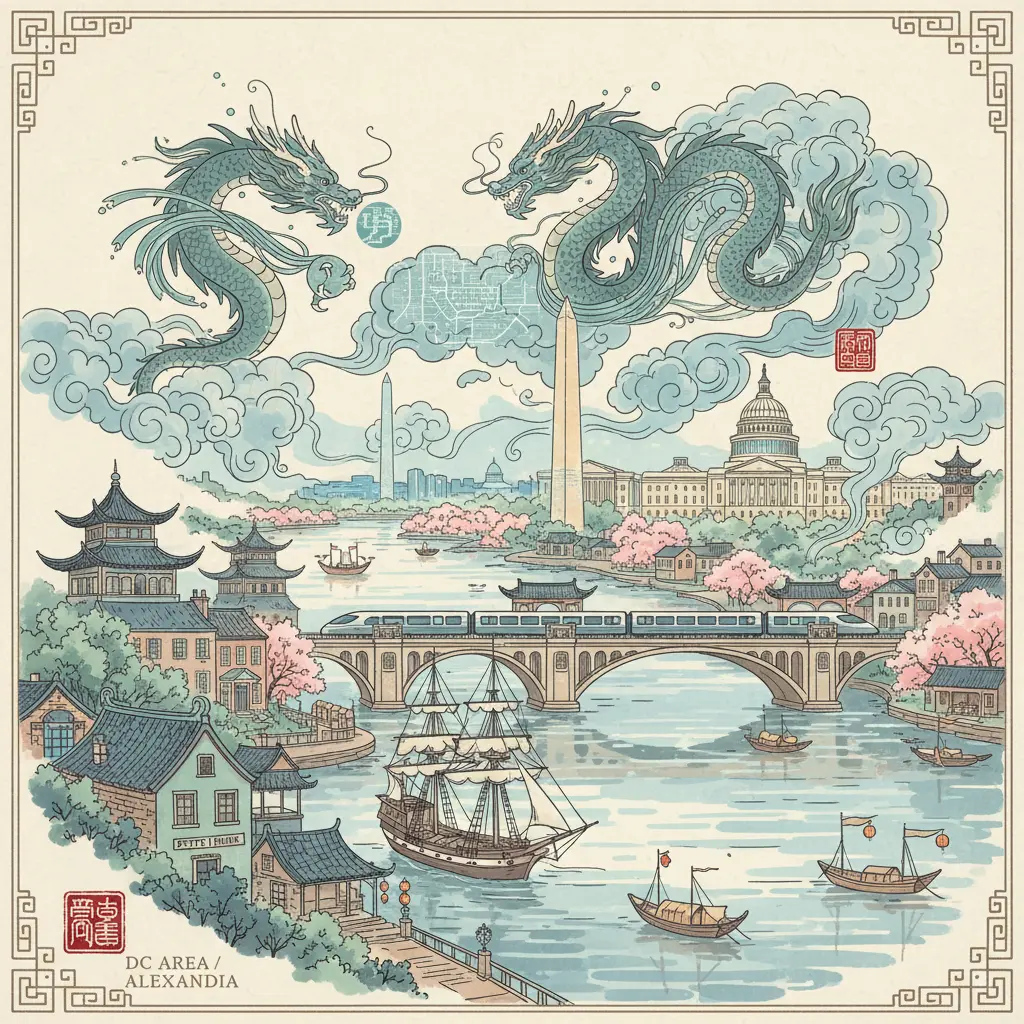
Professional illustration about Alexandria
DC Commuting Solutions 2025
DC Commuting Solutions 2025: Navigating the Capital with Ease
Washington, D.C.’s commuting landscape in 2025 is all about smart urban planning and innovative public transportation to connect iconic landmarks like the White House, Lincoln Memorial, and National Gallery of Art with bustling neighborhoods such as Georgetown and Adams Morgan. The city’s revamped Metro system now features extended hours and real-time tracking, making it easier for commuters and tourists alike to explore cultural experiences without the hassle of parking. For those working near the U.S. Capitol or Library of Congress, expanded bike lanes along the Potomac River and through Rock Creek Park offer eco-friendly alternatives, complemented by dockless e-scooters strategically placed near historic landmarks.
The District’s tourism industry has also embraced demand-responsive shuttles, which loop between museums, performing arts venues, and the National Mall, reducing congestion during peak hours. Meanwhile, Alexandria commuters benefit from enhanced water taxi services, blending scenic views of the Washington Monument with efficient travel. Carpool incentives and dynamic toll pricing on key routes (like 14th Street Bridge) further ease traffic, while apps like Capital Transit aggregate multiple modes—Metro, buses, bikes—into one seamless itinerary.
For dining and things to do after hours, neighborhoods like Adams Morgan now feature pedestrian-only zones with dedicated ride-share drop-offs, encouraging walkability. The city’s push for EV charging stations near memorials and attractions supports sustainable tourism, aligning with 2025’s broader climate goals. Whether you’re a local heading to work or a visitor exploring the capital city, D.C.’s commuting solutions prioritize accessibility, sustainability, and—above all—time saved for enjoying the city’s vibrant pulse.
Pro tip: Off-peak Metro fares and weekend events often pair with discounted parking at suburban lots, making it cheaper to park-and-ride. For real-time updates, follow @DCCommutes on social media for alerts on lane closures or transit delays.
Key Takeaways:
- Tech-integrated transit: Apps and real-time tracking dominate 2025 commutes.
- Green options: Bike lanes, e-scooters, and water taxis reduce carbon footprints.
- Tourist-friendly: Shuttles and pedestrian zones enhance exploration.
- Local perks: Carpool rewards and dynamic pricing save money and time.